The Natural Habitat of Elephants: Contrasting Life in the Wild vs Captivity at an Elephant Nature Park In Chiang Mai
Elephants are magnificent creatures that have captivated the human imagination for centuries. They are known for their intelligence, social behavior, and impressive physical presence. In the wild, elephants live in diverse habitats such as savannas, forests, and grasslands. However, many elephants are now in captivity at elephant nature parks worldwide due to various factors, including habitat loss and human-wildlife conflict. This post will explore elephants’ natural habitat and compare the differences between wildlife and captivity at our Elephant Nature Park in Chiang Mai, Thailand.
Life in the Wild
In their natural habitat, elephants live in awe-inspiring social structures led by matriarchs, the herd’s oldest and most experienced females. They communicate through various means, including vocalizations, body language, and even infrasound, which can travel vast distances. Elephants can roam and forage for food in their large home ranges, spanning hundreds of square kilometers. Their habitat is a treasure trove of diverse plant species, each fulfilling a unique role in their nutritional needs.
Challenges in the Wild
Life in the wild is a testament to the resilience of elephants. Despite the encroachment of human activities like deforestation and urbanization, which have led to a loss of their natural habitat and sparked conflicts with humans, elephants continue to persevere. These conflicts, detrimental to both elephants and local communities, are a stark reminder of the threats they face. The persistent menace of poaching for ivory and other body parts further adds to the peril faced by wild elephant populations, yet they stand strong.
Life in Captivity at an Elephant Nature Park
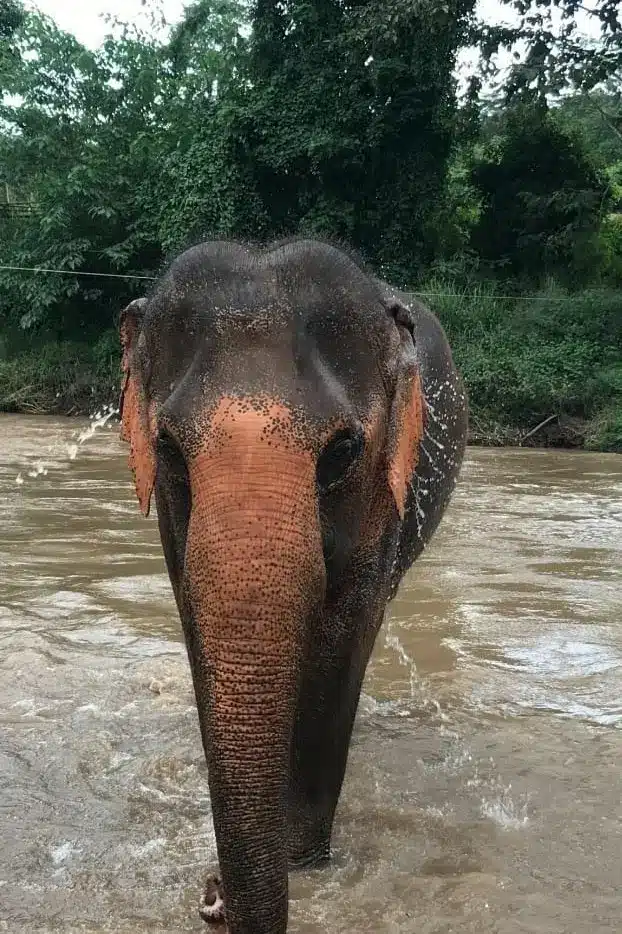
Elephant nature parks, on the other hand, offer a beacon of hope. They act as sanctuaries, rescuing elephants from industries that exploit them, such as logging, circuses, and tourism. In these parks, elephants receive comprehensive care, protection, and access to veterinary services. They are provided with ample food, water, and enrichment activities, ensuring their physical and psychological well-being. Visitors to these parks can observe and interact with elephants in a more controlled and safer environment, fostering a better understanding and appreciation for these magnificent creatures.
Challenges in Captivity
While an elephant nature park offers a safer and more controlled environment for elephants, there are still challenges associated with keeping these intelligent animals in captivity. Some concerns include restricted movement, limited social interactions, and the loss of natural behaviors such as foraging over large distances. Captive elephants may also face health issues related to diet, exercise, and stress. Balancing the welfare of elephants in captivity with the educational and conservation goals of nature parks is an ongoing challenge.
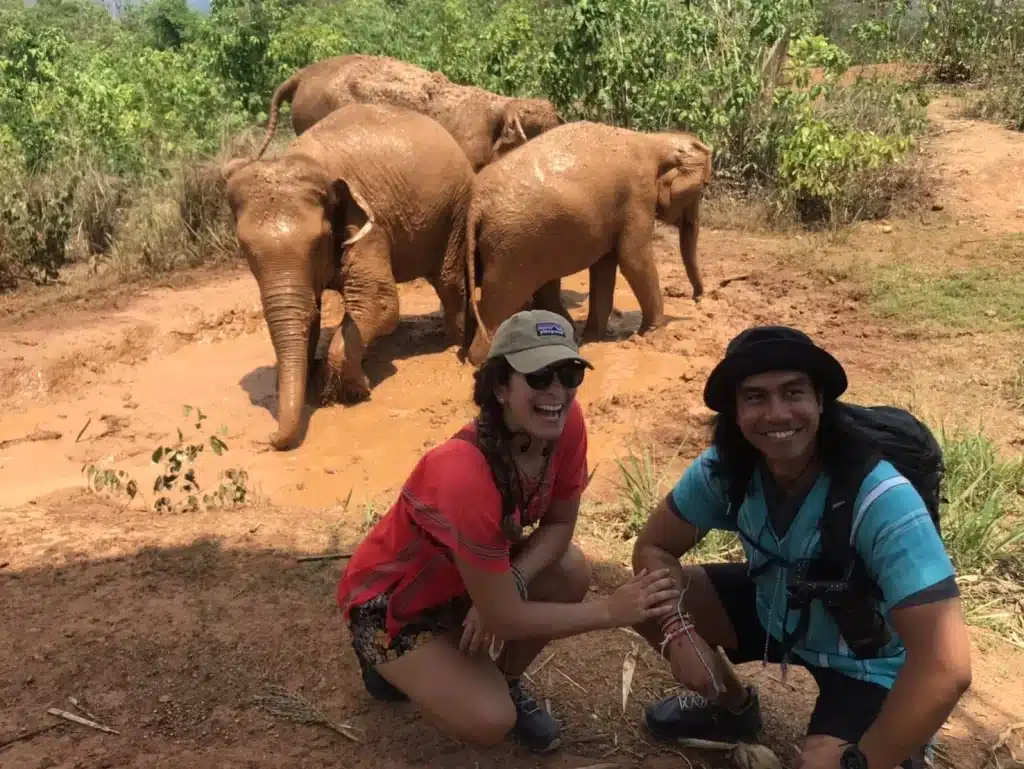
The Elephant Freedom Project allows these incredible creatures to roam freely at our Elephant Nature Park in Chiang Mai. If you can experience one of our tours, you will see much land dedicated to elephant welfare.
The manager of our sanctuary, Thorn, is a local villager in Mae Wang who has worked with elephants his entire life. He attempts to find the correct balance between offering an ethical elephant experience and the welfare of the elephants.
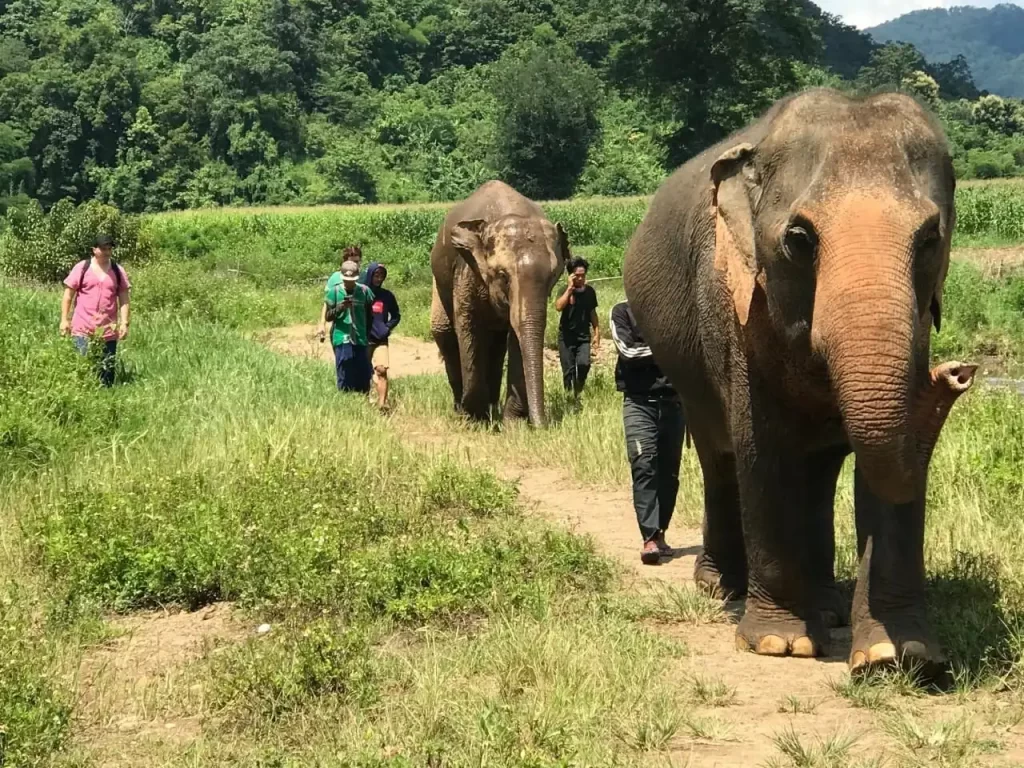
This balance has been achieved. The elephants truly enjoy seeing our guests and look forward to the day’s various activities. We have attempted to incorporate the elephant’s natural activities in the wild into our daily tours. This has worked out to be the perfect balance. We make clear to our guests that we should allow the elephants to roam as freely as they would in the wild. We follow the elephants as they journey through our elephant nature park in Chiang Mai.
Comparison and Contrast
When comparing life in the wild to captivity at an elephant nature park, it is clear that both settings have advantages and disadvantages. In the wild, elephants can express their natural behaviors, form intricate social bonds, and roam vast landscapes. However, they also face threats from habitat loss, poaching, and human-wildlife conflicts. On the other hand, elephants in captivity benefit from protection, care, and veterinary support but may experience limitations in movement, socialization, and behavioral expression. Enough land goes a long way to a positive environment for these majestic creatures.
Education and Awareness
In providing a safe environment for elephants, our Elephant Nature Park in Chiang Mai also focuses on education and raising awareness about the importance of elephant conservation. Through guided tours, educational sessions, and outreach initiatives, these parks help educate the public about the threats facing elephants and what can be done to protect them.
The Need for Continued Support
As the threats facing elephants continue to evolve, the role of Elephant Nature Parks in elephant conservation becomes increasingly important. Governments, organizations, and individuals must support these initiatives through funding, volunteer work, and advocacy.
From Chains to Freedom: Elephant Nature Park In Chiang Mai
Elephant Nature Parks work tirelessly to rescue elephants from abusive situations. This may involve negotiating with owners, confiscating elephants from illegal camps, or rescuing elephants from dangerous or neglectful environments. Once the elephants are brought to the
Wild Elephants
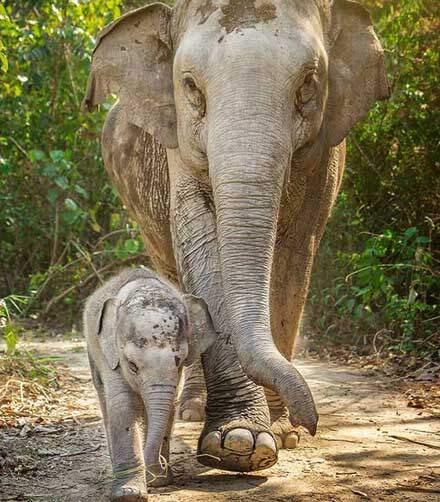
Wild elephants typically follow a daily routine that revolves around finding food and water and ensuring the well-being of their herd. In the wild, elephants roam vast distances for vegetation to eat and water to drink. Their day starts early in the morning as they search for food, which makes up a significant portion of their daily activities.
Elephant Nature Park Residents
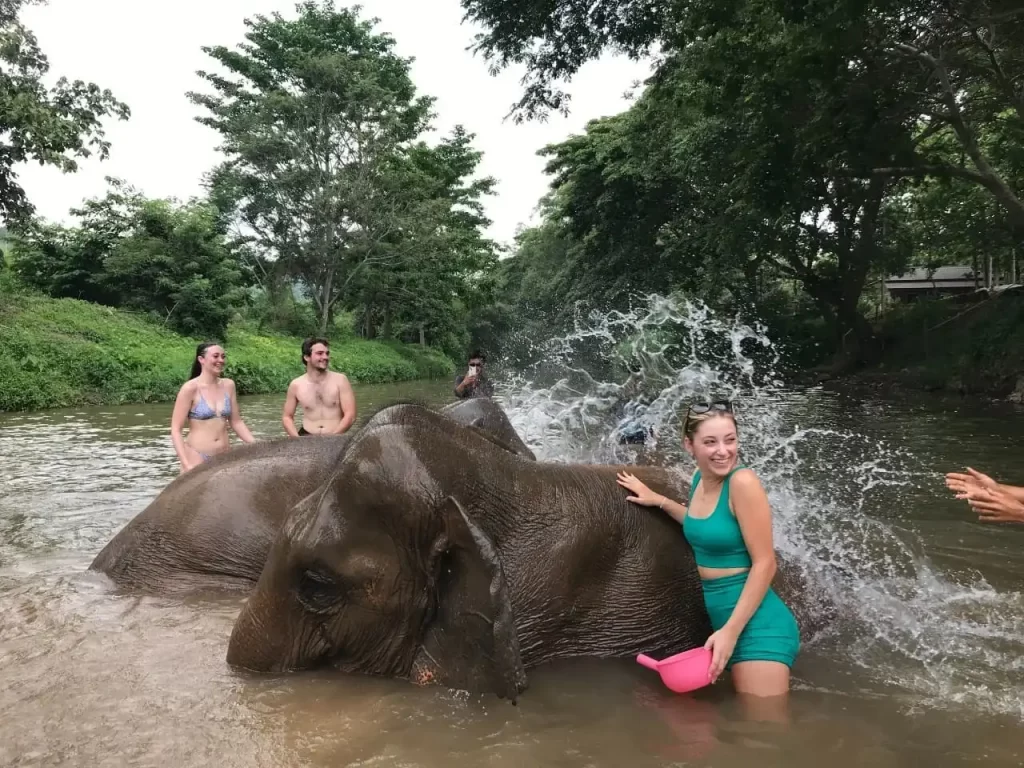
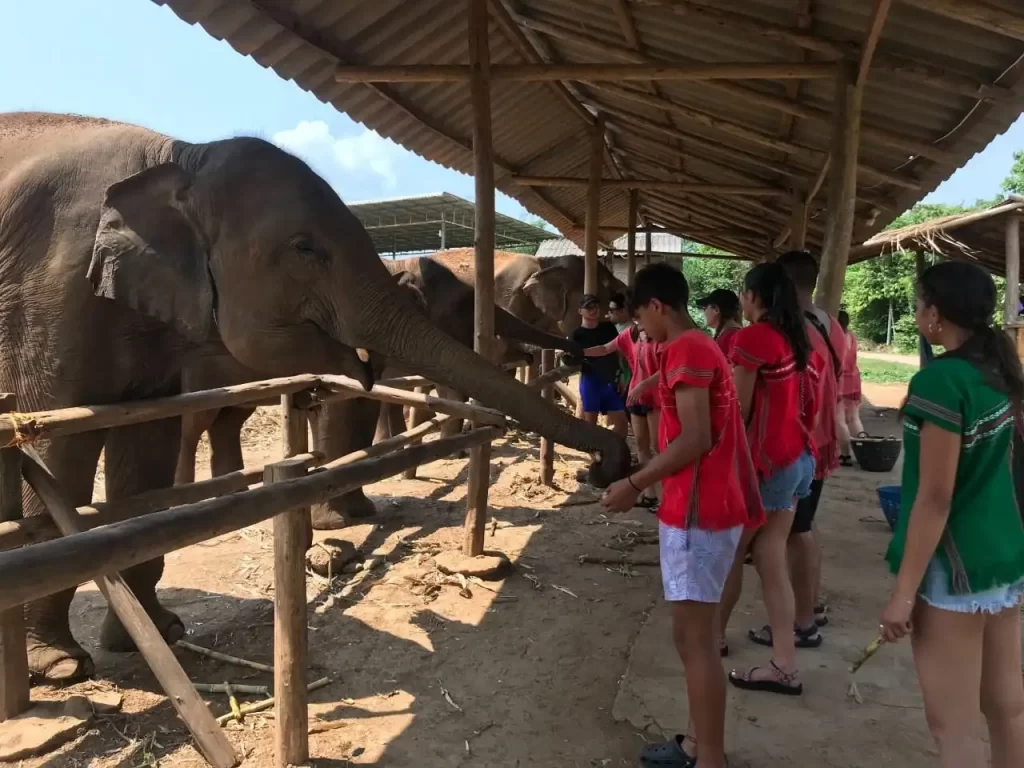
Elephant Nature Parks are sanctuaries where rescued elephants live in a safe and natural environment. The daily routines of elephants in nature parks are quite different from those of their wild counterparts. In these sanctuaries, elephants are not required to search for food or water, as caretakers provide them with these.
Comparing the Two:
When we compare the daily routines of wild elephants and those living in an Elephant Nature Park, we can see significant differences in how they spend their time. Wild elephants are constantly on the move in search of food and water, engaging in various natural behaviors to survive in their habitat.
The Rehabilitation Process
Rehabilitating elephants is a complex process that involves physical, emotional, and behavioral aspects. At our Elephant Nature Park, the elephants are given the time and space to heal at their own pace. They are provided nutritious food, clean water, and comfortable shelter to ensure their physical well-being, Not to mention a lot of love.
The Transformation
Over time, the rescued elephants at Elephant Nature Parks begin to undergo a remarkable transformation. As they heal from their physical injuries and gain strength from proper nutrition, their bodies start to show signs of recovery. The elephants’ moods also improve as they receive care and attention from the dedicated staff at the park. It is amazing how they responded to this human intervention.
Life After Rehabilitation
Once rehabilitated at our Elephant Nature Park in Chiang Mai, elephants can live in a safe and natural environment for the rest of their lives. Some may be released into protected forest areas, where they can roam freely and reintegrate into the wild. Others may stay at the park to serve as ambassadors for their species, educating visitors about the importance of elephant conservation.
Conclusion
Understanding elephants’ natural habitats and the differences between life in the wild and in captivity is essential for promoting the conservation and welfare of these majestic animals. While an elephant nature park is vital in providing sanctuary and rehabilitation for elephants, efforts must also be made to protect elephants in the wild and address the root causes of human-elephant conflicts. By raising awareness, supporting conservation initiatives, and advocating for ethical wildlife tourism practices, we can ensure a brighter future for elephants in both the wild and captivity.
What Our Guests Say
 Posted on Google
 Jadeleen Casaya19 September 2026
 Pat was excellent. The staff were very hospitable. The atmosphere was pleasant and felt safe and serenePosted on Google
 Luca Sardone (Aquileia '69)16 September 2026Elephant Freedom Elephant Sanctuary Chiang Mai. Il nostro gruppo era formatoda sole 3 person, interazione intima e diretta. Le attività principali includono la preparazione del cibo, la camminata con gli elefanti nella giungla e il bagno al fiume. Il nostro accompagnatore, persona squisita, ci ha fatto fare un giro nella foresta fino alle cascate e lì abbiamo fatto il bagno. Esperienza indescrivibile. Finito il giro ci hanno dato da mangiare, abbondante frutta e da bere. Esperienza imperdonabile.Posted on Google
 Scott Blackman10 September 2026Absolutely worth the time! My daughter and I agreed it was a top highlight of our trip. We while enjoying the elephants we also learned about the local culture from our wonderful guide Kevin.Posted on Google
 alex nope5 September 2026Estuvo increíble la experiencia. Incluye almuerzo. Lee la letra chica al reservar, porque no leí y te cobran es una parte. El saldo lo pagas a los guías en el sitio y en efectivo. Fui en auto particular y fácil llegar.Posted on Google
 Guilloud maud26 August 2026Un moment magique ! Sur notre parcours au sri Lanka, nous avons fait une halte pour découvrir cette association et ces 2 magnifiques éléphants… cela restera un des plus beau souvenir de notre séjour 🐘 Bravo pour cette association, pour penser tjrs au bien être animal et pour votre extrême gentillesse 🥰💋🫶🏻 l’équipe semble vraiment heureuse avec un métier qui a du sens et lors de la visite, ça se sent : de supers partages, des rires… merci pour tout 🫶🏻🥰💗Posted on Tripadvisor
 Roger Lagart25 August 2026
Verified
Pasar un día impresionante con elefantes felices y bien tratados Hemos pasado una experiencia increíble disfrutando de un tour de un día con estos bellos animales a los que alimentas, das un paseo con ellos (no sobre ellos) y bañas en un día inolvidable, es un Santuario Ético en los que los elefantes o han sido rescatados o han nacido allí, con grupos pequeños sin masificar ni agobiar al elefante y dejando a los elefantes a su aire donde ves la relación que tienen con su cuidador como si fueran familia. Era una de los aspectos que para nosotros era imperante y hemos podido verificar que están bien cuidados y sobre todo queridos y felices.Posted on TripadvisorRoger Lagart25 August 2026Pasar un día impresionante con elefantes felices y bien tratados Hemos pasado una experiencia increíble disfrutando de un tour de un día con estos bellos animales a los que alimentas, das un paseo con ellos (no sobre ellos) y bañas en un día inolvidable, es un Santuario Ético en los que los elefantes o han sido rescatados o han nacido allí, con grupos pequeños sin masificar ni agobiar al elefante y dejando a los elefantes a su aire donde ves la relación que tienen con su cuidador como si fueran familia. Era una de los aspectos que para nosotros era imperante y hemos podido verificar que están bien cuidados y sobre todo queridos y felices.Posted on Google Roger Martinez Rey24 August 2026Un santuario donde puedes compartir una experiencia junto a elefantes donde se nota que son felices y los cuidan con cariño.Posted on Google
 Holly Burton12 August 2026We had such a wonderful experience at the Elephant Freedom Project! It was amazing to spend time with the elephants in a way that felt respectful, ethical, and focused on their well-being. Our tour guide, Pat, was fantastic - friendly, knowledgeable, and passionate about the elephants. Pat taught us so much about their behavior and care, which made the experience even more meaningful. Getting to see the elephants up close was unforgettable and definitely one of the highlights of our trip to Thailand. If you’re looking for an ethical elephant experience, we highly recommend the Elephant Freedom Project. Thank you, Pat and the team, for making our day so special!Posted on Tripadvisor
 chrissiekirkby9 August 2026Amazing experience This is an experience you will remember for a long time. We did the full day tour. Our guide Pat, was very funny and so likeable. Him, and the other “mahouts” are so caring and respectful to their elephants. They are never forced to do anything they don’t want to do. One didn’t want to have a swim at the river. So it wandered off. No problem! They really are beautiful and intelligent creatures and being so close to them, respectfully, was a privilege. The surrounding jungle and hills are beautiful also, as is the drive to the place once you start getting to the hills. The road isn’t as windy as I thought it would be (I can get car sick if not sat in the front). Lunch was good and tailored to the tourist so not spicy at all, fried rice and Pad Thai with watermelon for afters. I did pack a 7-Eleven sandwich and crisps for my middle son as he is a fussy eater and I was glad I did this. Soft drinks and ice creams can be bought also. Tea, coffee & water is free. We also bought some lovely little handmade trinkets made by the Karen people. Your belongings are locked in a room whilst you are away. Thank you so much for such an amazing day for me and my family.Posted on Tripadvisorchrissiekirkby9 August 2026Amazing experience This is an experience you will remember for a long time. We did the full day tour. Our guide Pat, was very funny and so likeable. Him, and the other “mahouts” are so caring and respectful to their elephants. They are never forced to do anything they don’t want to do. One didn’t want to have a swim at the river. So it wandered off. No problem! They really are beautiful and intelligent creatures and being so close to them, respectfully, was a privilege. The surrounding jungle and hills are beautiful also, as is the drive to the place once you start getting to the hills. The road isn’t as windy as I thought it would be (I can get car sick if not sat in the front). Lunch was good and tailored to the tourist so not spicy at all, fried rice and Pad Thai with watermelon for afters. I did pack a 7-Eleven sandwich and crisps for my middle son as he is a fussy eater and I was glad I did this. Soft drinks and ice creams can be bought also. Tea, coffee & water is free. We also bought some lovely little handmade trinkets made by the Karen people. Your belongings are locked in a room whilst you are away. Thank you so much for such an amazing day for me and my family.Posted on Google
 Dóra Mágocs17 July 2026
 Really nice and special experience, definitely recommend going! We were at the afternoon program, started with lunch, then fed the elephants and went on a tour with them, where they took a bath. It was very cool to touch and walk around these huge animals! The guide was really nice, answered all our questions and took plenty of photos and videos of us. I would recommend you to give your phone to the guide to take photos and videos, so you get the desired quality. There was supposed to be a waterfall tour that we did not go to at the end, even though it was mentioned as part of the program. It was fine without, but could have been nice to see it.

 Facebook
  Trustindex